

A farmer in Zambia finds two lions feeding on one of his cows. In a fit of rage, he shoots one; the other – despite being wounded – attacks him. He survives, but he is now injured and can no longer earn what he once did. Two lions are dead, the cow is gone, a pending hospital bill, and the farmer’s household has lost its main source of income. Had the cow been insured, he could have claimed compensation and not had to take a risk with the lions. Instead, the overall loss was far greater than it needed to be.
This was the preamble to the panel session hosted by AB Entheos at the International Conference on Inclusive Insurance (ICII) 2026 in Kigali. Around 54% of global gross domestic product depends on nature, while around 76% of Africa’s economy relies on nature and biodiversity. Yet most products are not designed to cover these risks. When they go unmanaged, a single loss can have a knock-on effect on a household, an ecosystem, and an economy. The real question is how insurance can stop losses such as those experienced by the livestock farmer from becoming larger than they need to be.
Nature risks are ultimately livelihood risks
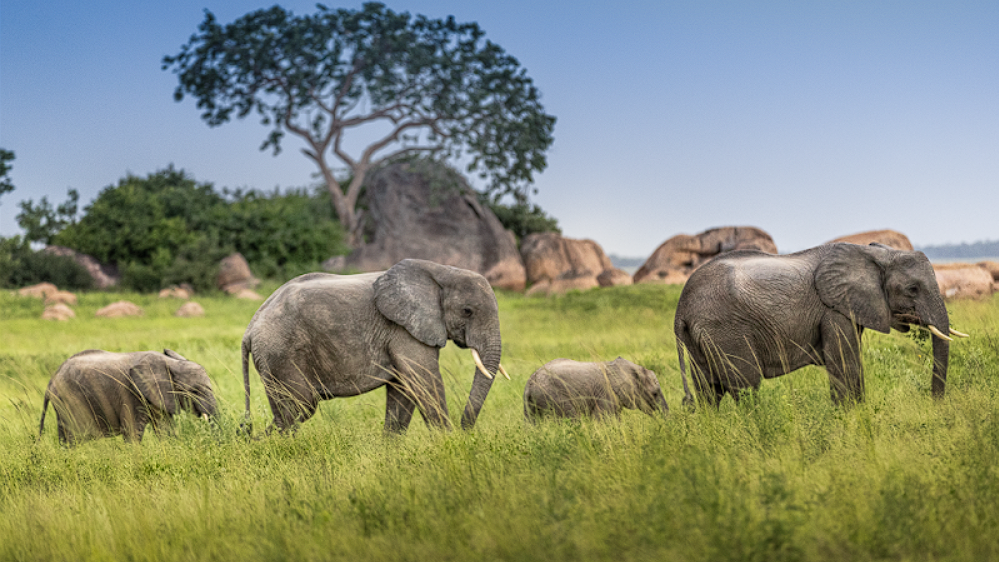
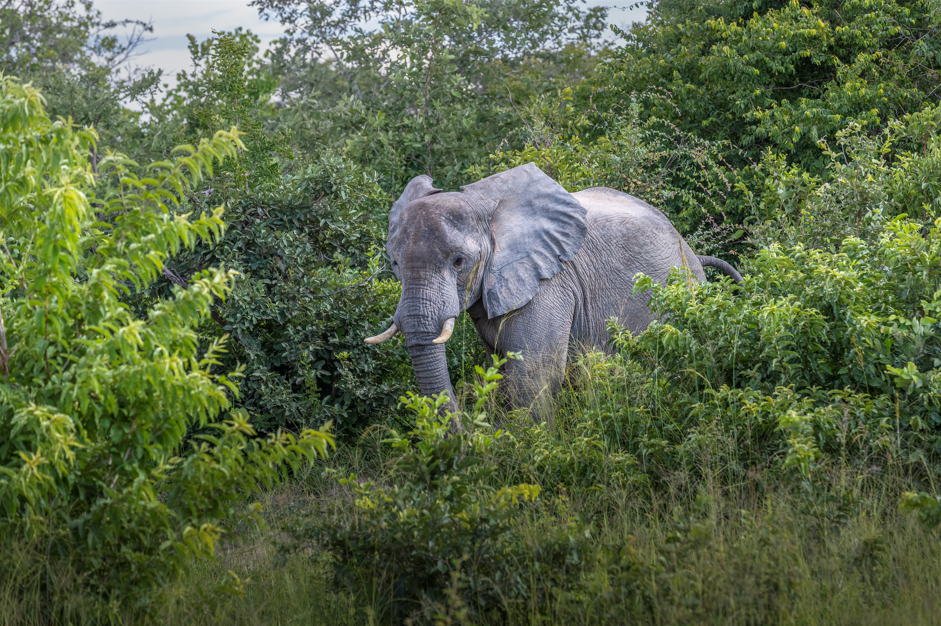
When an elephant destroys a harvest, or predators kill livestock, a household’s income can be wiped out overnight. The poorest communities tend to feel it most. Pressure on nature quickly translates into pressure on household incomes, and therefore lives. It also spills over to companies that rely on supposedly resilient supply chains and to governments that pick up the cost when livelihoods collapse.
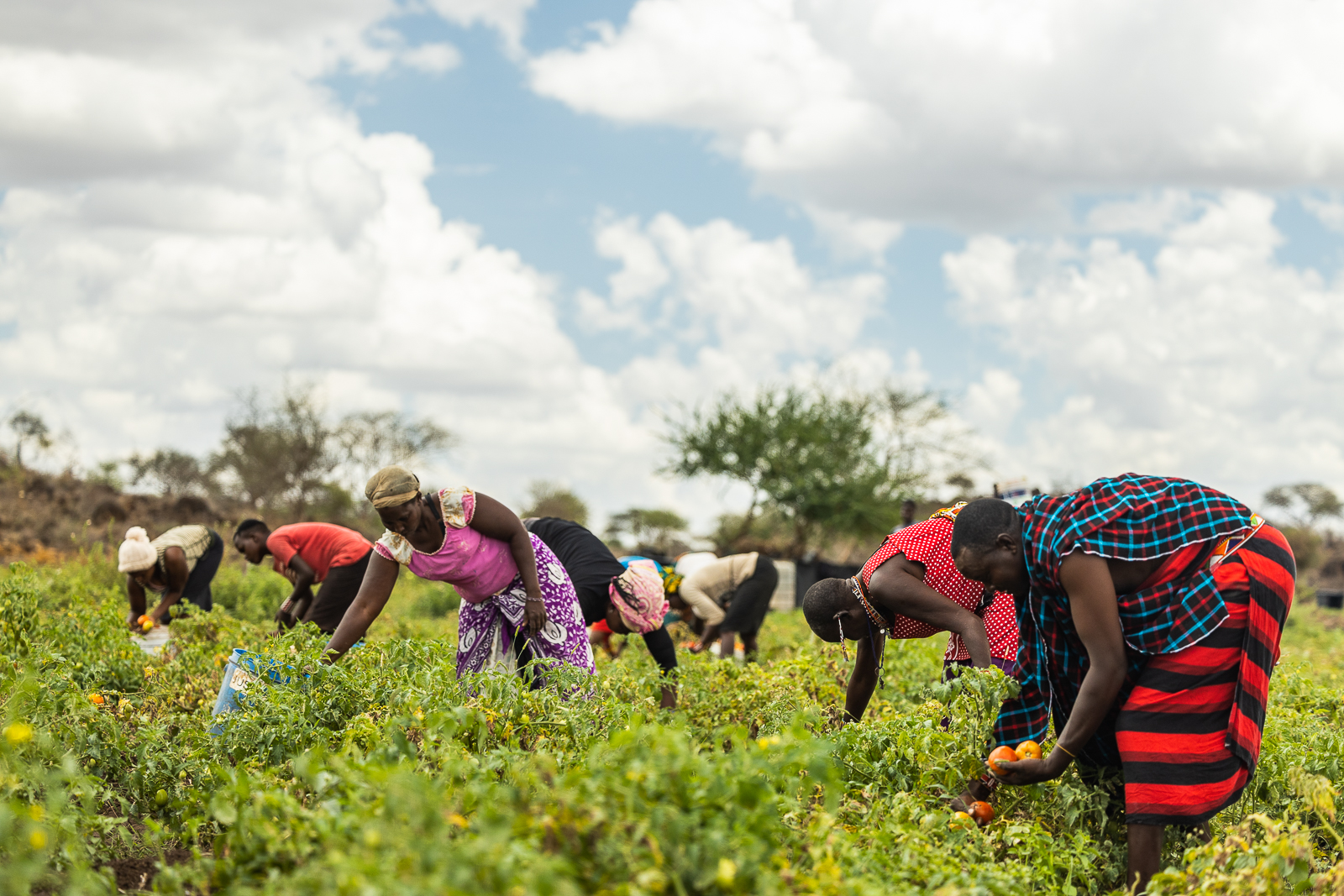
The same logic applies well beyond wildlife. Coral reefs play a far more important role than is immediately obvious: they protect coastal hotels and fishing communities. Similarly, the páramo wetlands in Colombia act as natural sponges that supply much of the country’s fresh water. The value nature provides is often taken for granted – until it is lost.
Designing for co-existence, not just compensation
Human–wildlife conflict insurance shows how a product can do more than pay out after an event. Wild Cover, AB Entheos’ signature product, protects communities against losses caused by wildlife. It includes a parametric drought layer that can release funding before conflict occurs, since drought often pushes animals onto farmland. Payouts are conditional on no retaliatory killings, which must be verified. Wild Cover can reduce and compensate for loss while giving people a reason to co-exist with wildlife. Bundled with SunCulture’s solar irrigation scheme, it has been linked to increasing yields.
This is just one example. A jaguar protection product in Latin America has a similar modus operandi: it pays out for damage caused by jaguars to discourage retaliatory killings. A local insurer underwrites and distributes the product, whose premiums are covered by the local government.
None of these products can succeed alone. They work best when combined with restoration, conservation, and productive efforts that target the underlying issue. At a minimum, such products can raise awareness, which can improve how farmers manage their livestock. In this way, a policy can stop a loss from growing, rather than simply compensating part of it.
No single actor can carry the cost
Nature-inclusive insurance requires a strong ecosystem of collaborating actors. The financial flows between them need to be agreed before a policy goes on risk. Each actor is likely to have divergent priorities:
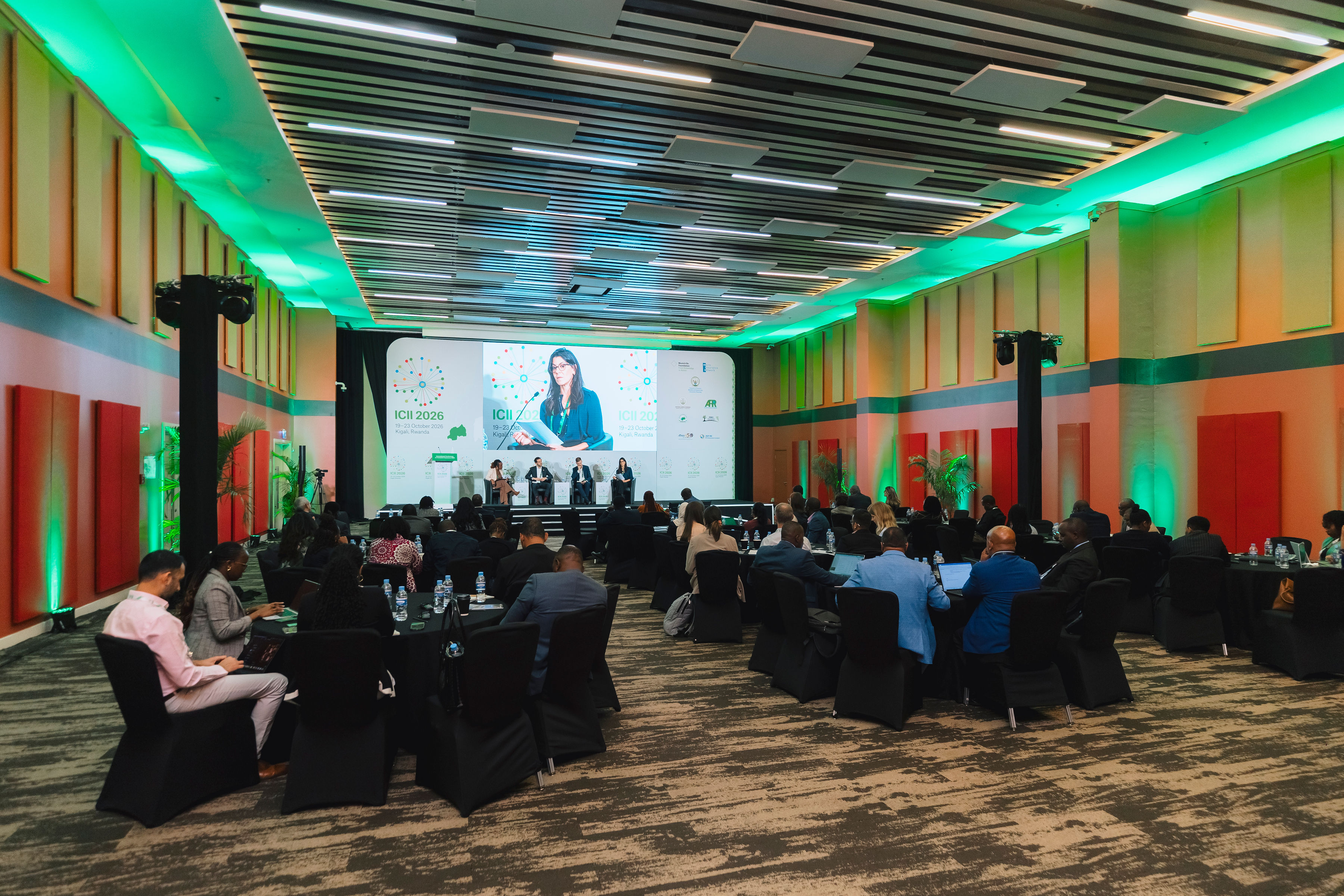
Governments often understand the problem best but face competing priorities. Insurance tends to land better when framed as an investment towards their pre-existing objectives. Most governments may have National Biodiversity Strategies and Action Plans (NBSAPs). Setting targets is easy, but financing them is a different matter.
Multilateral organisations can help by positioning insurance as a development tool rather than an end. They can help governments think through the regulatory environment for new products.
Development partners and philanthropic organisations come in at the riskiest stage. In Zambia, the need was clear, and the government understood it. However, the funds to test a solution did not exist. Philanthropy cannot fund everything, but it can lead to proof of concept.
The private sector has more than one stake. Insurers will want premium growth and diversification, but they face exposure: when a reef degrades, both the hotel owner it protects and the insurer covering that hotel stand to lose out. Because these risks are only insurable if adaptation is sustained, insurers have good reason to invest in nature-based solutions.
Getting from pilot to scale
There is no shortage of ideas. Some funding may exist to test them, but much less is available to make them durable. Resultantly, momentum is often lost between pilot and commercialisation.
Four areas will likely determine whether that gap closes:
1. Data and evidence: Products start with three questions: is there an insurable risk, can it scale, and can it protect nature itself? Pilots need to generate evidence to justify investment. Designers need to understand how people manage money day to day, and to invest in parametric education.
2. Regulation and policy: Regulatory and policy barriers still hold back the capital needed for the Sustainable Development Goals. These should be resolved before a product can launch.
3. Capital: Financing needs differ by stage: build, fuel, and invest. Building needs technical assistance; fuelling, the long-term finance that keeps a solution alive, is the hardest to secure; and investing means access to reinsurance, which is difficult when transactions are small. Partners such as the Natural Disaster Fund and Hannover Re can take solutions where commercial insurers may not go.
4. Partnerships: These barriers are best tackled together from day zero. Communities and funders need time to build trust. When it works, the value goes beyond the claim: one Kenyan farmer renewed his drought insurance not for the payout, but for what the protection allowed him to do.
Smaller losses by design
The Zambian farmer faced a larger loss because nothing protected his livelihood and the wildlife around it. An early drought payout, a condition against retaliatory killing, better livestock management and shared premium costs might have kept his household’s income intact.
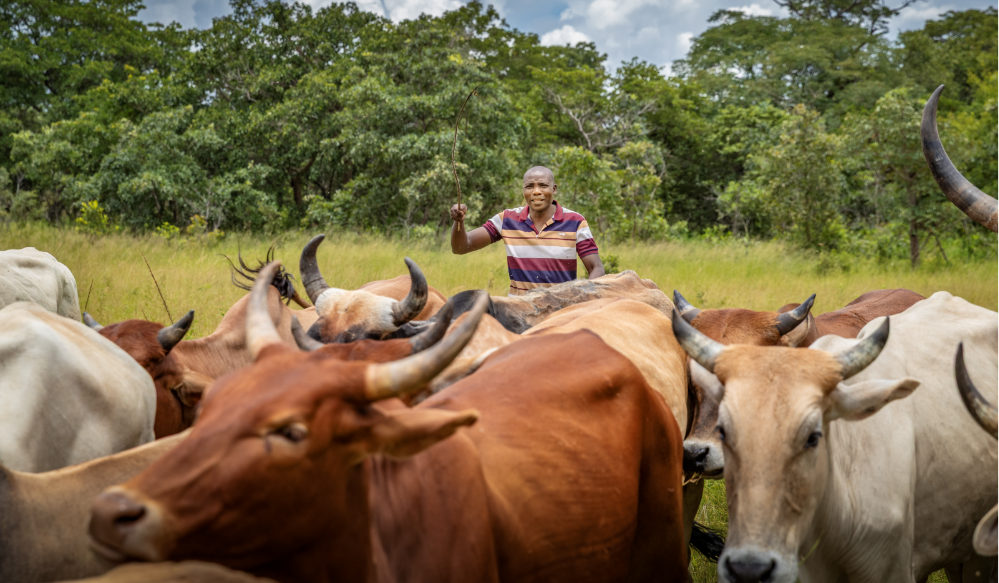
Photo: Ben Rice
The building blocks for nature-focused insurance exist, but most remain niche pilots. The question for the sector is whether governments, multilaterals, funders and insurers can commit to the time needed to achieve scale. The next farmer who finds a lion in his field should be reaching for their mobile phone to make a claim, not their gun.