

In May 2025, the UNDP, through its Insurance and Risk Finance Facility (IRFF) and Biodiversity Finance Initiative (BIOFIN), in collaboration with AB Entheos, published guidelines on the role of insurance in addressing nature and biodiversity risks. This marks a significant shift in how we think about conservation. Rather than being the sole responsibility of conservation actors, protecting nature is increasingly seen and recognised as a shared responsibility across all sectors, including the financial and insurance sectors.
Nature and biodiversity loss
Nature and biodiversity underpin our health, economies, and livelihoods. Yet ecosystems are declining at alarming rates, leading to food insecurity, habitat losses, and ecosystem collapse.
The World Wildlife Fund for Nature (WWF) estimates that monitored wildlife populations have declined by 73% since 1970, with freshwater species dropping by 85%. Forests are rapidly disappearing too, with over 420 million hectares cleared globally over the last 35 years.
The cost of nature loss
The losses of such valuable natural assets come at a cost to livelihoods and economies at large.
Mangroves, for example, prevent more than USD 65 billion in property damage annually and protect more than 15 million people.
The role of insurance
Insurance presents a way to address these losses. Though traditionally used to protect homes or businesses, insurance is increasingly considered a safety net for species and the ecosystems they inhabit.
Insurance can provide cover for risks such as storm damage to coral reefs, flooding and extreme weather, wildfires that devastate forests, droughts that undermine ecosystems, or wildlife that damage crops and livestock.
AB Entheos and the development of guidelines
Over the last six years, AB Entheos has been exploring the intersection between insurance and nature, and how the former can be adapted to conserve and preserve nature and biodiversity.
These new guidelines will provide global organisations with a framework for designing insurance solutions that ensure quick payouts for the recovery and restoration of nature’s assets.
By recognising reefs, mangroves, wildlife, and forests as valuable assets, insurance offers a way to manage risks and ensure rapid recovery from damage. This can turn conservation into a system that strengthens both nature’s and communities’ resilience.
Examples in practice:
Mexico – Coral reef insurance
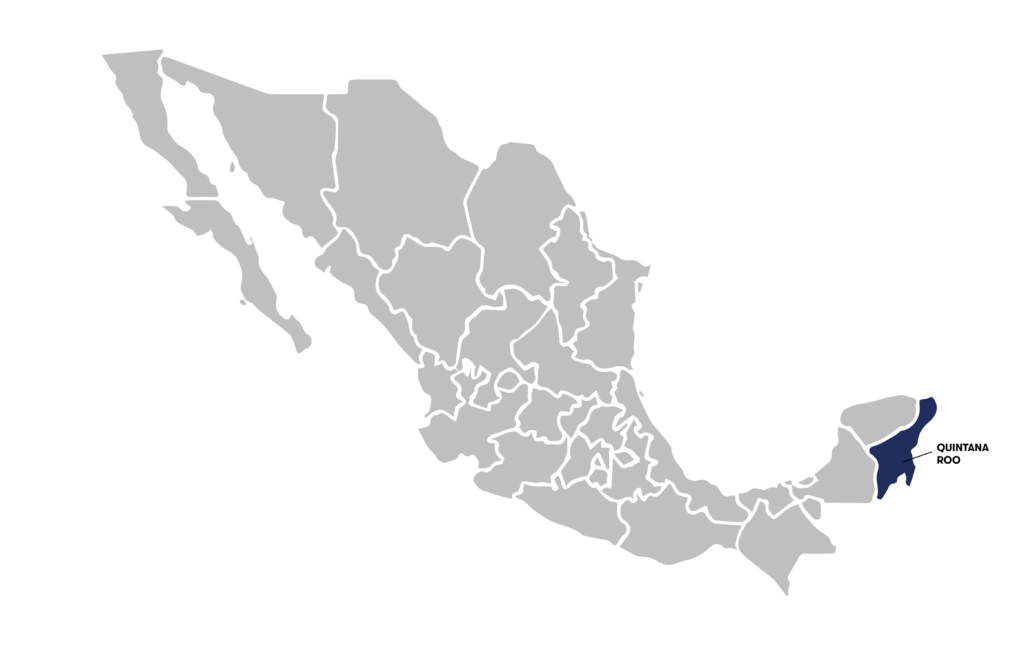
In Mexico’s Quintana Roo state, a coral reef parametric insurance scheme paid out USD 850,000 in claims after Hurricane Delta hit the Mexican coast in 2020.
This payout enabled the rapid repair and restoration of the Mesoamerican reef, protecting the tourism sector, worth USD 9 billion annually.
Yucatan – Mangrove insurance
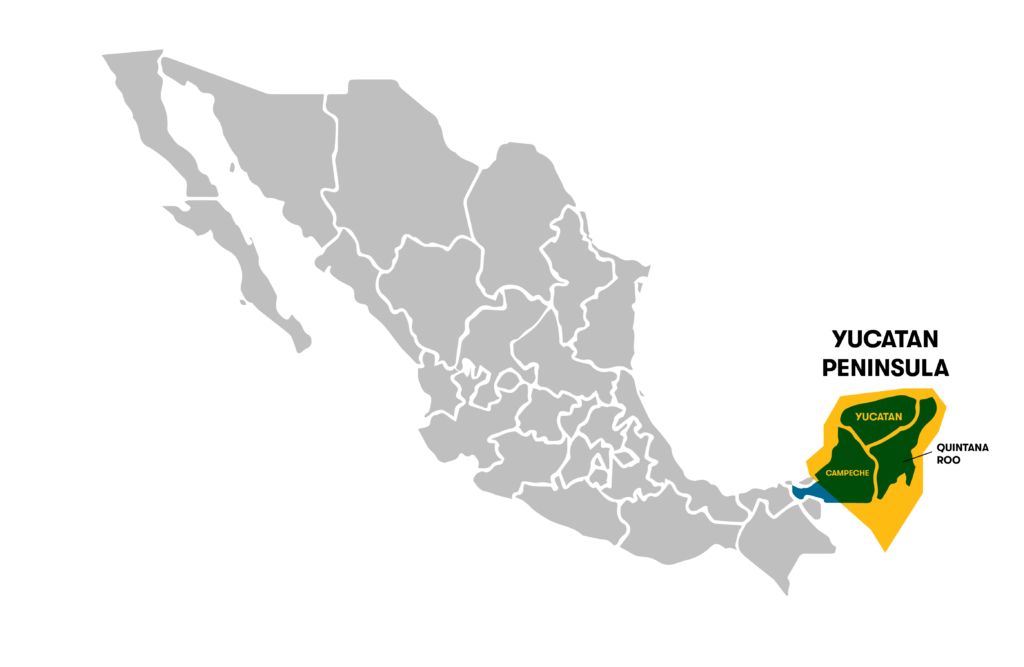
In Mexico’s Yucatán peninsula, a mangrove insurance scheme provides cover of up to USD 100,000 for restoration and community support after hurricanes.
Kenya – Human Wildlife Conflict Insurance
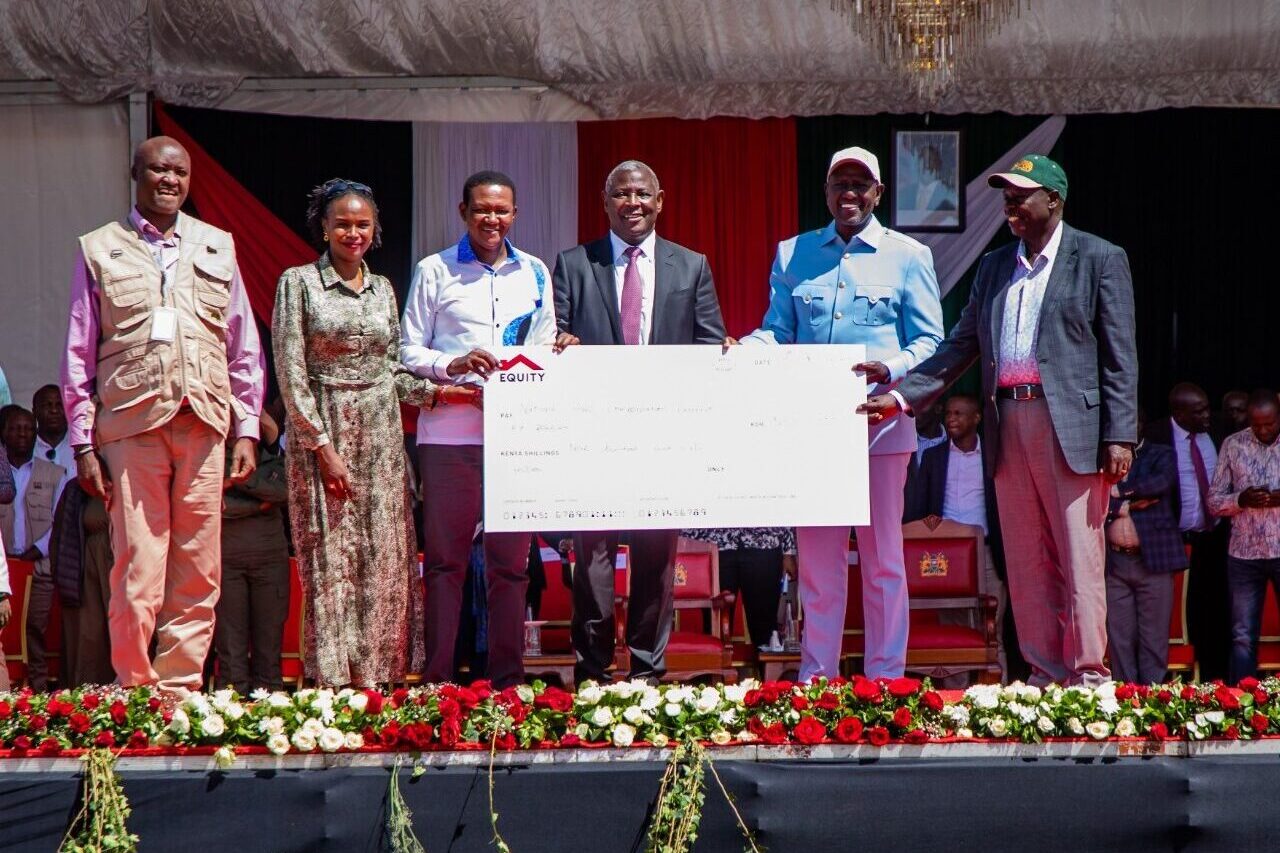
In Kenya, a national, government-backed Human Wildlife Conflict (HWC) insurance scheme was launched in 2024 to compensate communities for lives and livelihoods lost as a result of HWC.
Since this pilot launch, over 19,000 cases of conflict have been reported across six hotspot counties, and over USD 2,000,000 has been disbursed to beneficiaries.
Integrating biodiversity risks with the larger national conservation agenda reinforces the country’s commitment to protecting and preserving biodiversity and communities.

Key building blocks
For such solutions to work at scale, they must be built on strong foundations. The guidelines highlight five key building blocks that can make biodiversity insurance effective and feasible across all markets.
- Assessing natural assets and their value, which includes mapping ecosystems and quantifying the services they provide.
- Stakeholder mapping and engagement, which includes mapping and engaging relevant stakeholders such as governments, insurers, communities and conservation groups.
- Legal and regulatory frameworks, ensuring insurance products operate within the enabling national and international laws.
- Sustainable financing and governance, including models that blend public and private finance, nature credit, and other sources.
- Product design, including feasibility studies, data sourcing, technical expertise, actuarial and risk modelling, and a technology setup.
What needs to happen next
These elements ensure that insurance is used as a catalyst for long-term resilience and offers shared responsibility in protecting species and ecosystems.
However, scaling this approach requires collective action. Governments need to integrate ecosystem insurance into biodiversity and climate plans. Insurers should innovate and invest in products that put nature at the forefront, while regulators should create or maintain enabling environments to support innovation. Communities and civil society are central to the entire process, ensuring ownership, inclusiveness and buy-in.
Conclusion
The cost of doing nothing is far greater than the cost of protecting nature and its assets. Every lost reef, forest, wildlife or wetland means more economic and systemic losses and more hardship for communities that depend on them.
Insuring nature and biodiversity assets means insuring ourselves, and now is the time to act.

Project Manager
betty@ab-entheos.co.ke