
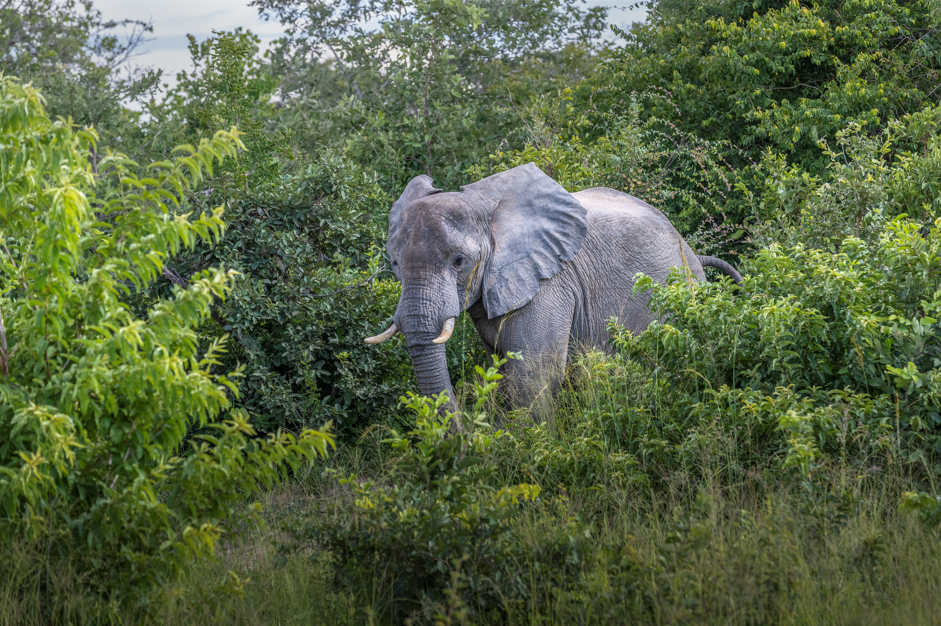

Gabon is home to one of the world’s most important populations of African forest elephants (Loxodonta cyclotis), a species classified as critically endangered. The latest assessment estimates 135,690 African forest elephants across the continent, with Gabon accounting for 66% of the remaining population. That makes the country a critical stronghold for the species.
However, for communities living alongside elephants, conservation success comes with another reality: elephants move through farms and plantations, damaging the crops families depend on for food and income. Such encounters can also result in serious injury or loss of life. That raises a challenging question: how do communities and elephants coexist when protecting wildlife also means accounting for the risks faced by the people living alongside it?
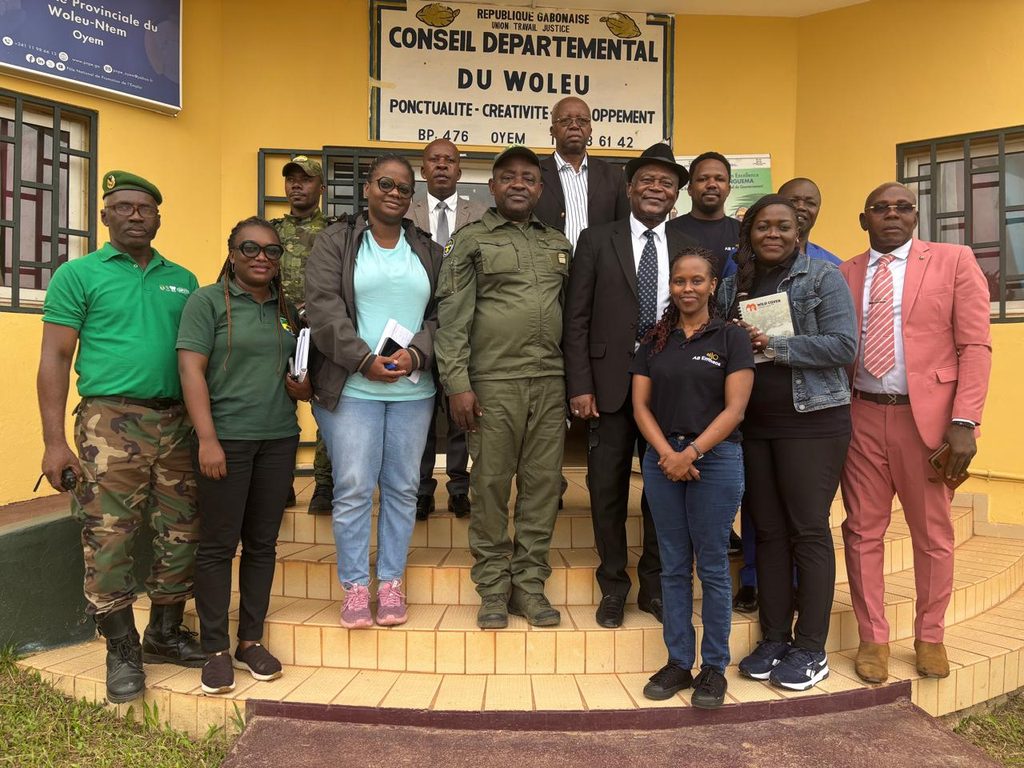
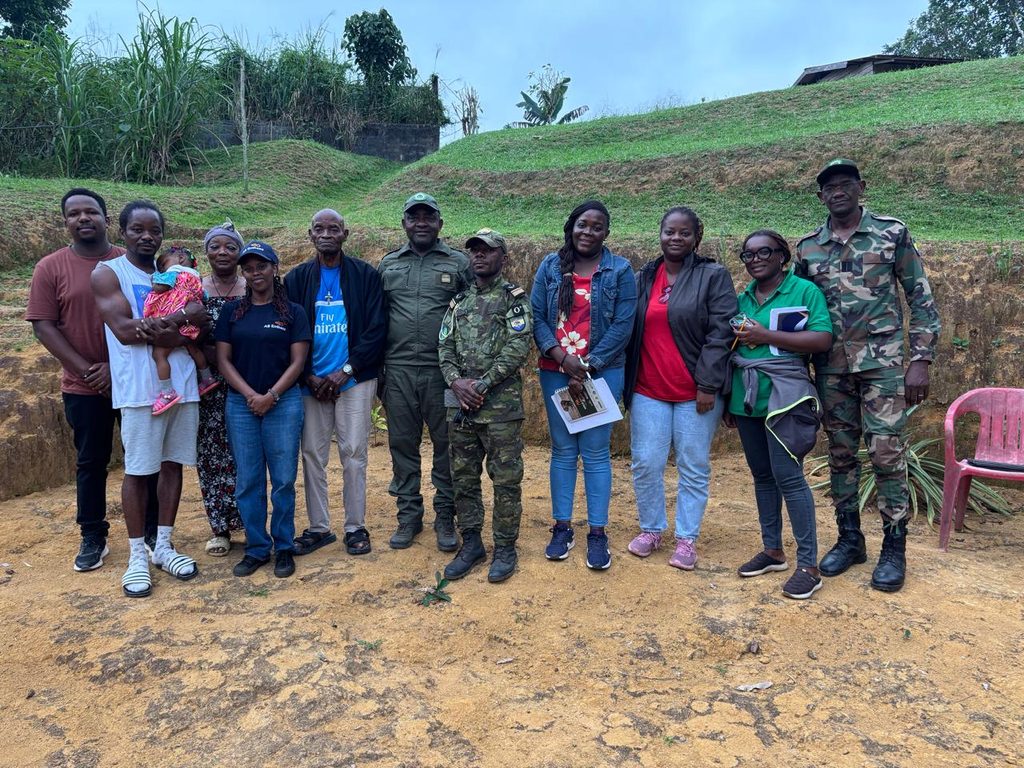
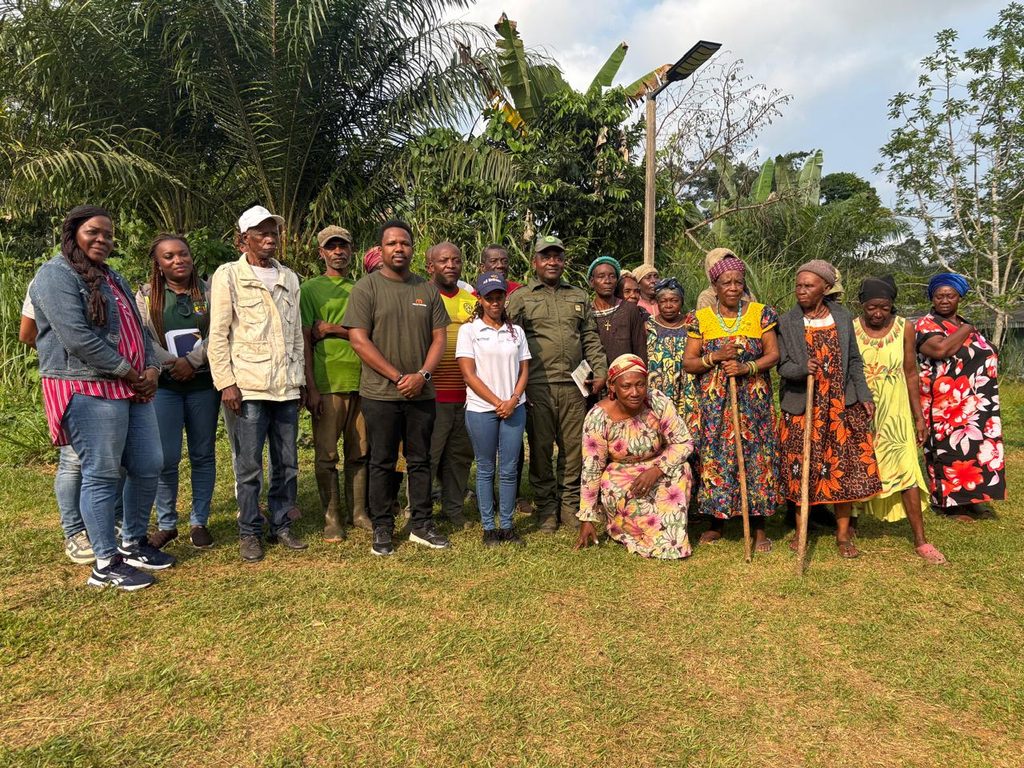
AB Entheos team during a field mission in Woleu-Ntem Province, Gabon.
What does human-elephant conflict look like in Gabon?
For communities whose livelihoods depend on agriculture, human-elephant conflict is an ongoing challenge. Crop destruction threatens food security and income; direct encounters can be fatal. The scale of the problem has pushed prevention, protection, and coexistence strategies further up the agenda.
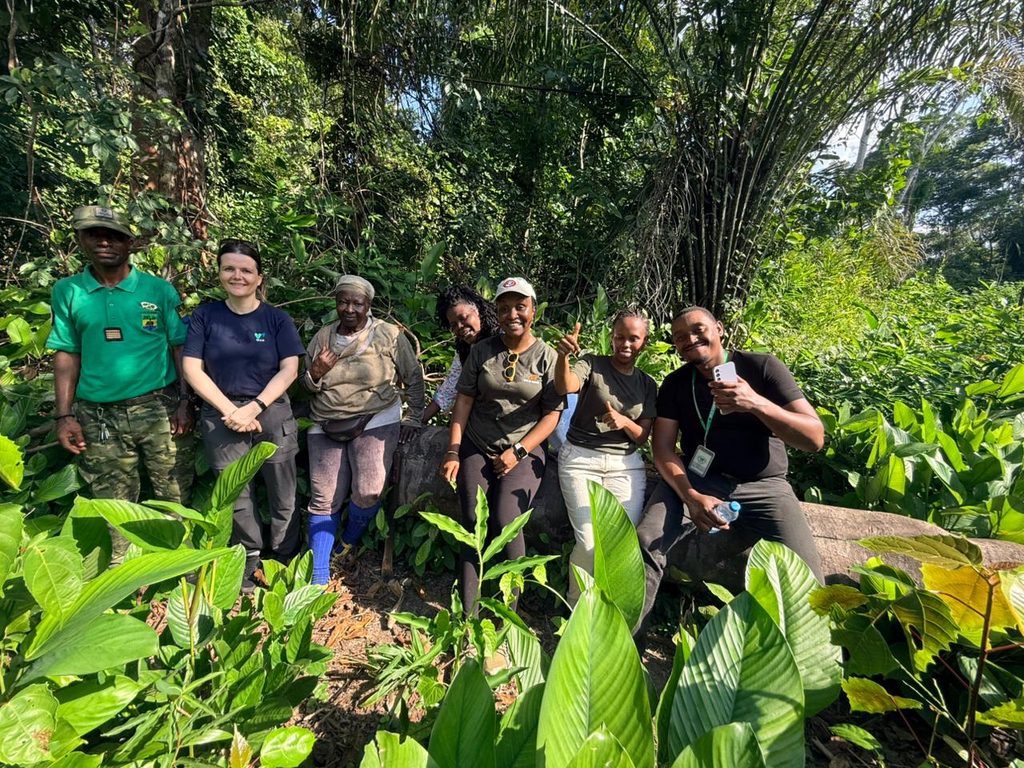
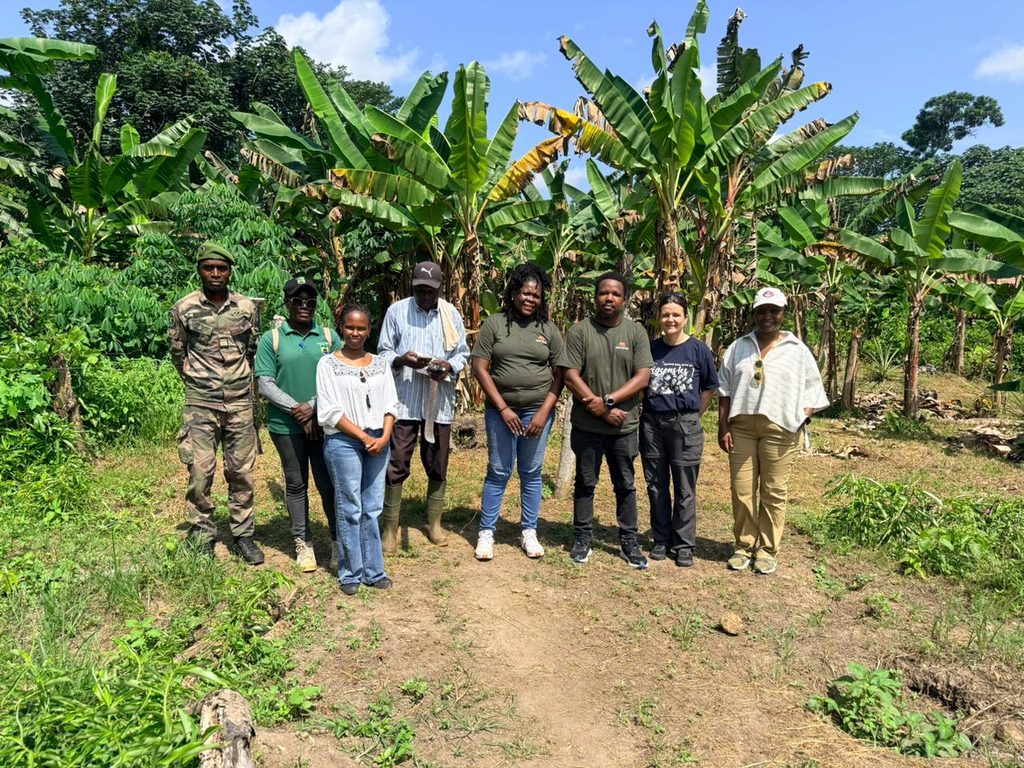
Agricultural communities in Gabon face the challenge of protecting crops while living alongside forest elephants
One solution is mobile electric fencing. By early 2026, more than 1,000 mobile electric fences had been deployed across the country. This is a sign of both the scale of the response and the demand for protection from affected communities.
Fencing helps. But it isn’t the whole answer.
The gap prevention alone can’t close
Communities move; elephants move, and agricultural patterns shift. Fences don’t cover every field, and incidents still happen even where prevention measures are in place.
So, what happens when a community experiences a loss despite doing everything right to avoid it?
This is where financial protection enters the picture. Prevention reduces the risk of loss, whereas insurance can address what happens when the loss occurs anyway.
The CAFI project: An integrated approach
The Central African Forest Initiative (CAFI), through its “Pacific co-existence between humans and elephants” project, is backing an integrated response to human-elephant conflict in Gabon. It combines mobile fencing, sustainable agricultural practices, community education, early-warning systems, and an emerging insurance mechanism for elephant-caused damage. Pacific co-existence between humans and elephants
The logic is simple: keeping elephants off farms is only half the job. The other half is strengthening communities’ ability to prepare for, manage, and recover from the losses that still get through.
Where AB Entheos fits in
AB Entheos has partnered with the Wildlife Conservation Society (WCS) Gabon, through the CAFI programme, to design and pilot a Human-Elephant Conflict (HEC) insurance solution.
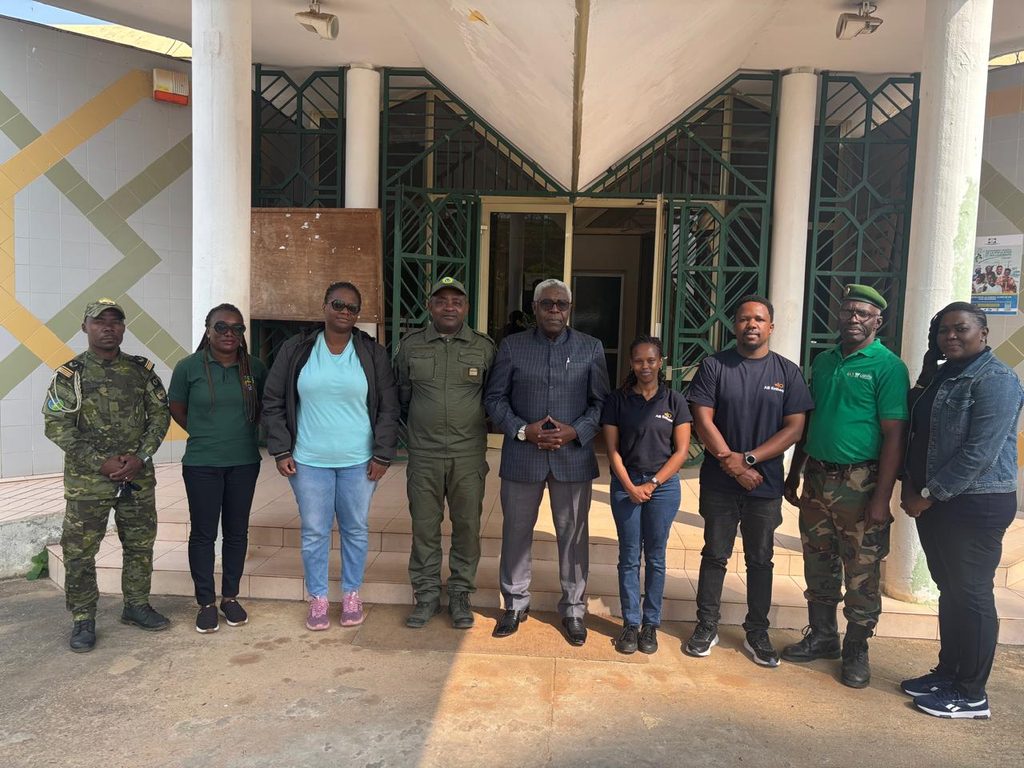
The work started with listening. During an initial scoping visit in May 2026, the AB Entheos team heard from government representatives, conservation partners, local authorities, and communities directly affected by conflict. The team also presented the project to Gabon’s Minister of Water and Forests, Environment, Climate and Human-Wildlife Conflict, Colonel Maurice Ntossui Allogo, who expressed support for the initiative.
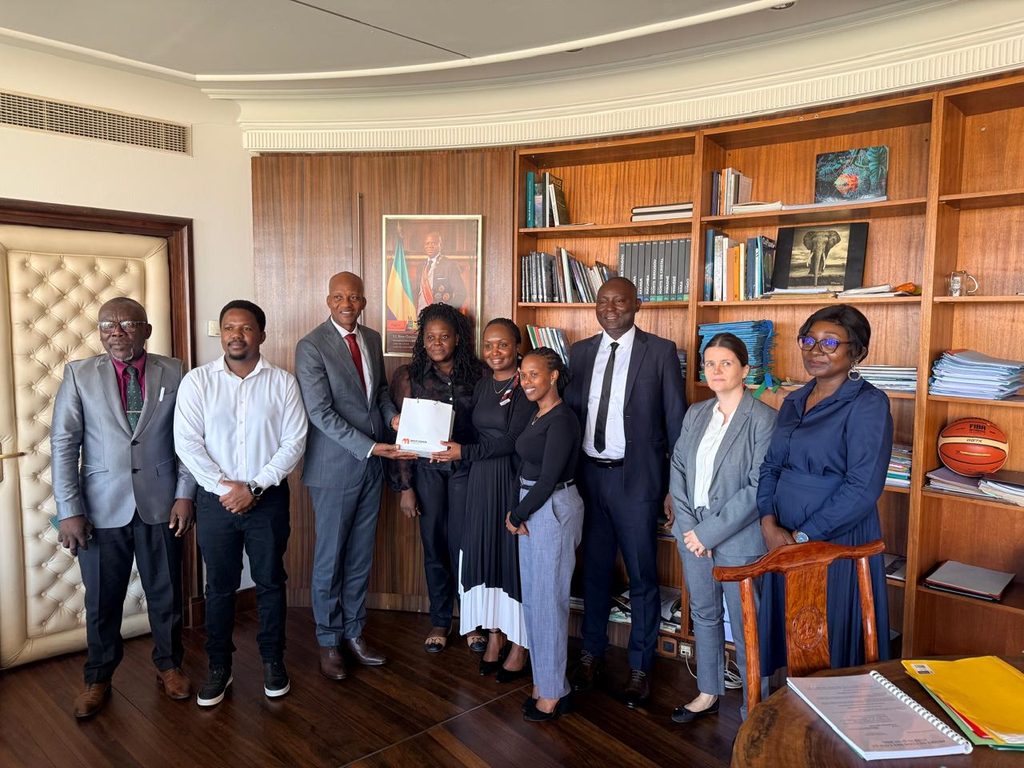
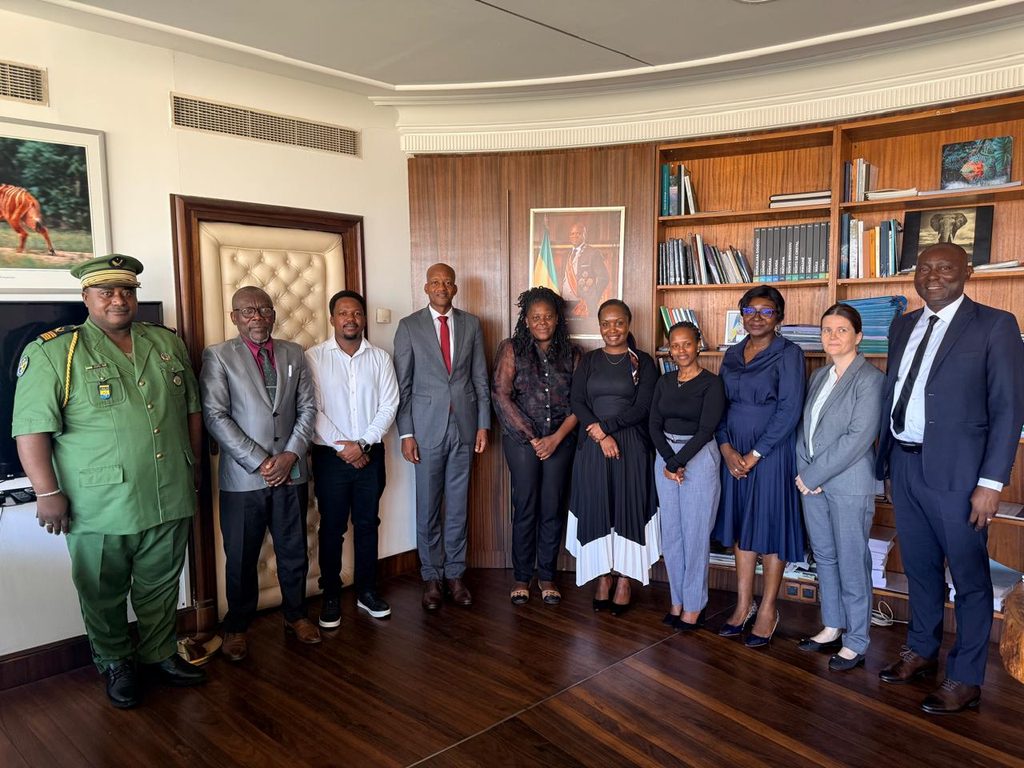
AB Entheos team with Minister Colonel Maurice
What would the insurance cover?
The proposed HEC insurance solution is being designed around three categories of loss:
- Crop damage: Losses to agricultural produce
- Injury: Where a person is hurt in a human-elephant encounter
- Death: Where a fatal incident affects a family
The more pressing design questions come next: how should losses get reported, assessed and verified, and how should compensation reach people in a way that’s clear, accessible and trusted? Having a compensation mechanism on paper isn’t enough: it has to be something people can access and use when they need it.
Can technology make compensation work better?
For any compensation system to function, communities need a practical way to report incidents, have claims assessed and, where eligible, get paid.
AB Entheos is working with the Agence Nationale des Infrastructures Numériques et des Fréquences (ANINF) to develop a digital compensation system for HEC-affected communities. The conversations so far have centred on how digital infrastructure could make the process more transparent and responsive, while improving coordination between communities, government, and conservation partners. Human-elephant conflict in Gabon: ANINF’s digital expertise called upon to protect populations and preserve biodiversity
If done well, a digital system can connect the pieces (incident reporting, assessment, claims management, payout) while creating clearer records along the way. Technology is a tool, not the solution on its own. It must work within the realities of the communities it serves.
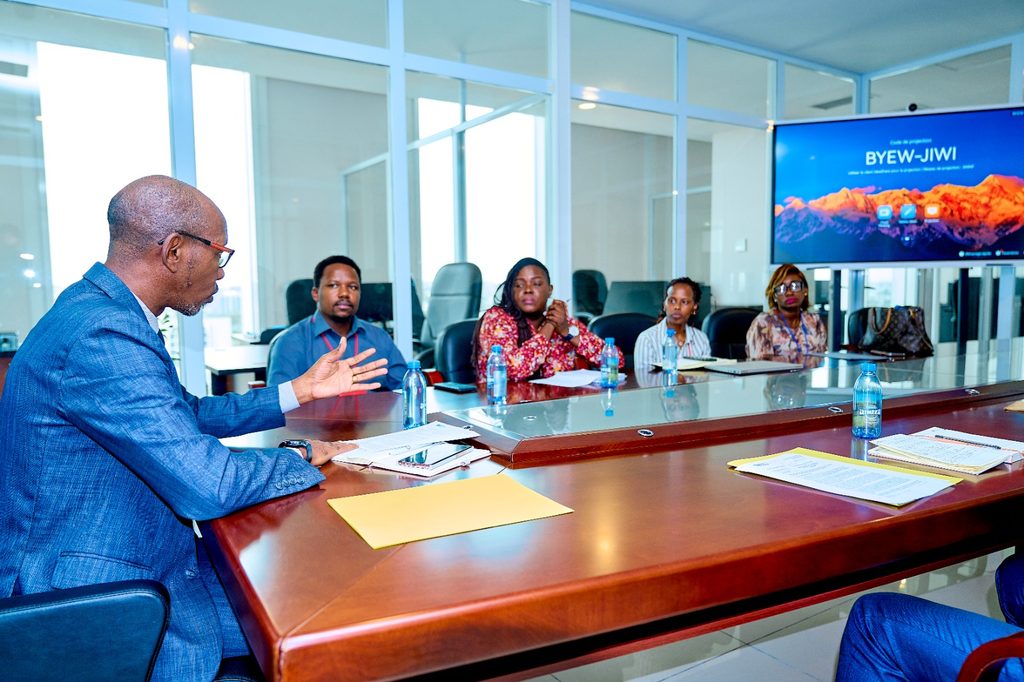
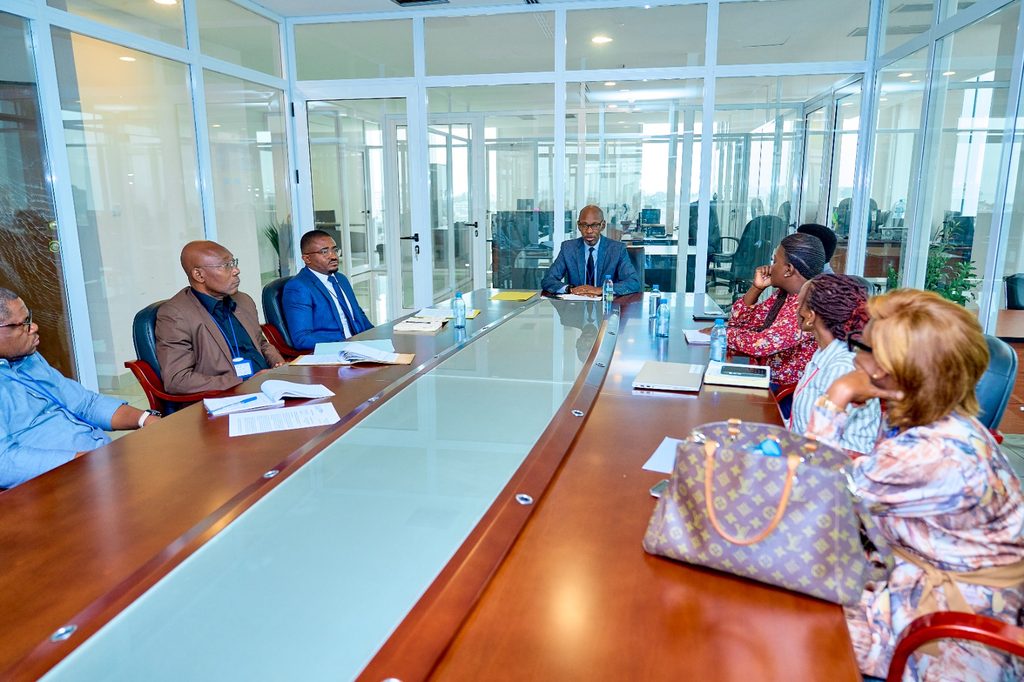
AB Entheos team during discussions with ANINF on digital solutions for human-elephant conflict compensation in Gabon.
Why local context matters
Human-elephant conflict doesn’t look the same everywhere. Landscapes, farming practices, land-use planning, community experience, local institutions, and elephant movement patterns all shape how conflict is experienced, and what kind of solution can work.
That’s why the design process in Gabon goes beyond getting the technical aspects of insurance right. It means listening to communities, engaging government and conservation partners, and learning from what’s already happening on the ground. The field mission in Woleu-Ntem included courtesy visits to local authorities, stakeholder meetings, and community consultations. All of these were aimed at making sure the solution is shaped by the place and people it’s meant to serve, not adapted to it after the fact.
How insurance and conservation work together
Insurance doesn’t replace prevention. Electric fencing, early-warning systems, better agricultural practices and community awareness remain essential to reducing the likelihood of conflict in the first place.
Insurance does something different: it can give communities a way to recover when prevention isn’t enough. Together, prevention and insurance can form a more complete response. One that protects wildlife while recognising the real economic and human risks faced by the people living alongside it. When communities have a practical way to manage those risks, financial protection can become part of a broader case for supporting coexistence.
What this pilot is really testing
Beyond the insurance product itself, the Gabon pilot is testing several practical questions about how such a system can work for communities and other stakeholders:
- What types of losses matter most to communities?
- How can incidents be reported and verified effectively?
- What makes a compensation process accessible and trusted?
- How can digital systems support the process without adding new barriers?
- How does financial protection complement, rather than sit apart from, prevention and conservation work?
The answers will help shape the pilot in Gabon and could inform similar efforts elsewhere.
What might success look like?
Success isn’t just having an insurance mechanism in place. It’s a clear, accessible pathway for affected communities to report losses, have legitimate claims assessed, and receive fair compensation – through a system that communities can understand and trust.
More broadly, it means building a clearer picture of whether financial protection can complement prevention, strengthen community resilience, and support more sustainable coexistence between people and wildlife. That aligns directly with the wider aims of the CAFI project: reducing human-elephant conflict while improving food security and supporting sustainable agriculture across Gabon.
Why this could have an impact beyond Gabon
Human-Elephant Conflict isn’t unique to Gabon. Across Africa, communities living near wildlife face the difficult balance between protecting their livelihoods and supporting conservation. This is a challenge that climate change and land-use pressures can make even harder.
Gabon offers an opportunity to explore whether financial protection can become part of the wider architecture of coexistence. For AB Entheos, this work reflects a broader commitment to insurance for nature: building approaches that respond to risk at the intersection of people, livelihoods, and the natural environment. The lessons from this pilot could extend well beyond a single project or country.